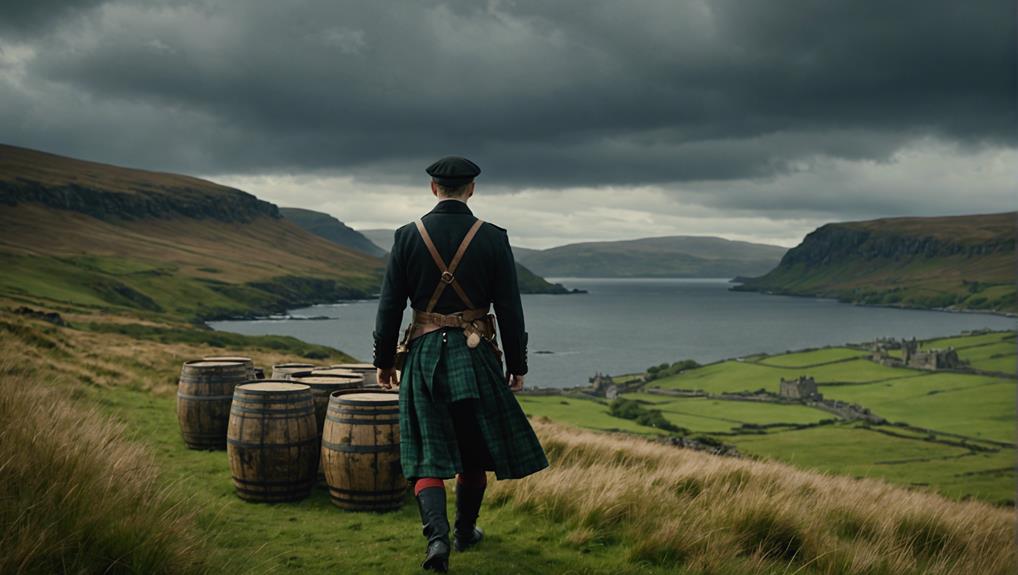
The Highlands and Islands face potential disruption as workers at three key distilleries have voted overwhelmingly in favor of industrial action due to a contentious 6-7% pay increase. With 82% of GMB members supporting the strike, the growing dissatisfaction highlights the urgent need for fair compensation in light of escalating living expenses. The looming possibility of production and distribution interruptions during the busy summer season raises significant concerns for the whisky industry. As negotiations progress, the repercussions of these strikes could extend beyond the distilleries, impacting the regional economy and global whisky markets. The next steps in this labor dispute remain uncertain as both sides seek a resolution.
GMB Members Balloted
Recently, workers at three distilleries went through a voting process after their employer offered a 6-7% pay increase. Situated in the heart of the whisky industry, this action sheds light on important worker issues. The ballot results indicate that employees are not satisfied with the proposed raise, feeling it doesn't reflect their hard work. A significant 82% of members are in favor of potential strike actions, showing a united front. Workers argue that their vital contributions to renowned whisky brands deserve better compensation. Given the industry's economic importance, resolving this dispute fairly is crucial. The negotiations ahead will likely set a precedent for addressing workers' rights within the whisky sector.
Distilleries' Strike Support
Support for the potential strike among distillery workers is overwhelmingly strong, with 82% of GMB members backing industrial action. This significant backing underscores the widespread dissatisfaction among the workforce regarding the current pay offer. The unwavering support from GMB Scotland is crucial, as they stand firmly by their members, advocating for fair compensation. The potential impact of a strike in the whisky industry cannot be underestimated, as it could disrupt production and distribution, affecting both local economies and global markets. Negotiations are ongoing, but the unity among distillery workers indicates a collective demand for better terms. Industry stakeholders are closely monitoring the situation, recognizing the far-reaching consequences of any industrial action.
Summer Strike Warnings
Amid escalating tensions, GMB Scotland's Lesley-Anne MacAskill has issued a crucial warning about potential strikes this summer if the pay dispute at Whyte & Mackay's distilleries remains unresolved. The union has emphasized that the labour disputes have reached a critical point, with 82% of members at three distilleries supporting strike action. Union actions are set to escalate if the distillery management fails to meet the workers' demands for fair compensation. MacAskill stressed the urgency of addressing these concerns to avoid a complete shutdown during the peak summer season. Negotiations are ongoing, but the looming prospect of significant disruption underscores the essential need for a prompt and fair resolution to the ongoing labour disputes.
Workers' Compensation Dispute
The core of the dispute revolves around a proposed pay increase from Whyte & Mackay that the union finds inadequate in fairly compensating distillery workers for their hard work. The offer of a 6-7% raise has sparked strong opposition from GMB members, who feel it doesn't properly acknowledge the value of employees in the whisky industry. With 82% of members at three distilleries backing the idea of a strike, the conflict underscores broader concerns about fair wages and equal treatment. Lesley-Anne MacAskill of GMB Scotland has stressed the importance of recognizing the efforts of workers more substantially, cautioning that without a resolution, the industry could face significant disruptions during the summer.
Ongoing Negotiations
Negotiations between Whyte & Mackay and GMB Scotland are ongoing as they work towards resolving the pay dispute. The union is advocating for a fair wage increase for its members, who have shown strong support for strike action. GMB Scotland highlights that the current 6-7% pay offer falls short in light of the increasing cost of living. On the other hand, Whyte & Mackay's management is exploring potential concessions to prevent any disruptive industrial action that could impact production. These concessions might involve better pay packages and improved working conditions. Both parties are under pressure to reach a satisfactory agreement that meets the workforce's needs while ensuring the company's stability in a crucial period for the whisky industry.
Conclusion
The upcoming whisky strikes in the Highlands and Islands, supported by 82% of GMB members, highlight the urgent need to address the contentious 6-7% pay increase. The strong backing for industrial action reflects widespread dissatisfaction among workers concerning their compensation. With the potential for significant disruptions in whisky production and distribution during the summer, swift resolution of ongoing negotiations is crucial to prevent major operational shutdowns and economic repercussions.