The importance of new bourbon barrels stems from historical practices, flavor influences, legal requirements, quality control, and scientific reasoning.
Dating back to early Kentucky distillers, the use of fresh barrels ensured that whiskey aged during transportation and maintained tight seals, resulting in a distinct flavor profile.
Required by U.S. regulations since 1935, the utilization of new barrels guarantees consistency and quality, preserving the traditions of bourbon-making.
Chemical compounds like tannins and vanillin, crucial for flavor development, are abundant in fresh wood, impacting the taste significantly.
These combined elements highlight the essential role new barrels play in shaping the iconic spirit, showcasing a blend of heritage and precise craftsmanship.
Historical Importance of New Barrels

The practice of using new barrels in bourbon production dates back to the early days of Kentucky distillers navigating the Mississippi River. In the 18th and 19th centuries, these distillers chose white oak barrels for their tight seal and abundance in Kentucky.
With an excess of oak trees available, there was no need to reuse barrels, possibly due to the one-way shipping methods of that era. As whiskey aged during transportation, it not only preserved the spirit but also influenced its flavor profile significantly.
This long-standing tradition of using new barrels in bourbon production stemmed from the historical shipping practices that played a crucial role in both preserving and enhancing the whiskey's taste.
Chemical Impact on Bourbon Flavor
Understanding the intricate chemical interactions within oak barrels is crucial for grasping how they impact the flavor profile of bourbon. Oak barrels contain various compounds like tannins, lactones, and vanillin, which are key players in imparting flavor and color to the whiskey.
The decision to use new barrels as opposed to used ones is significant due to the enhanced flavoring potential offered by fresh wood. Major bourbon brands prioritize consistency in flavor, hence their preference for new barrels. This preference for fresh wood is also mirrored in the Scotch whiskey industry, underscoring the importance of new barrels for flavor preservation.
The scientific importance lies in how these chemical compounds within oak contribute to the distinct taste of bourbon, making new barrels indispensable for optimal whiskey maturation.
Legal Mandates for New Barrels

When examining the laws governing bourbon production, it becomes evident that strict rules are in place regarding the use of new barrels for aging bourbon. U.S. regulations dictate that bourbon must be aged in fresh barrels, a requirement established in the 1935 Federal Alcohol Administration Act.
The term 'new' regarding bourbon aging holds significant importance in federal guidelines overseeing the making of this renowned spirit. This legal obligation likely aims to uphold the rich heritage and quality standards associated with bourbon crafting.
It's plausible that the influence of cooper unions and the lumber industry played a role in shaping these regulations through lobbying efforts. The essence of bourbon as a product is closely tied to the requirement of new barrels, highlighting the critical role this mandate plays in preserving the authenticity and tradition of bourbon production.
Quality Control in Bourbon Production
In the realm of bourbon production, ensuring consistent quality is crucial for well-known brands like Beam and Sazerac. Quality control plays a vital role in guaranteeing that each bottle of bourbon meets consumers' expectations for flavor and excellence.
By opting for new barrels, these distilleries uphold stringent quality standards, ensuring a consistent aging process and minimizing taste variations. The choice to prioritize new barrels over reused ones is driven by the goal of preserving the unique characteristics that define each brand's iconic bourbon.
Emphasizing quality assurance, the use of new barrels aligns with bourbon-making traditions, contributing to the ongoing success and esteemed reputation of these distilleries.
Scientific Reasons for New Barrels
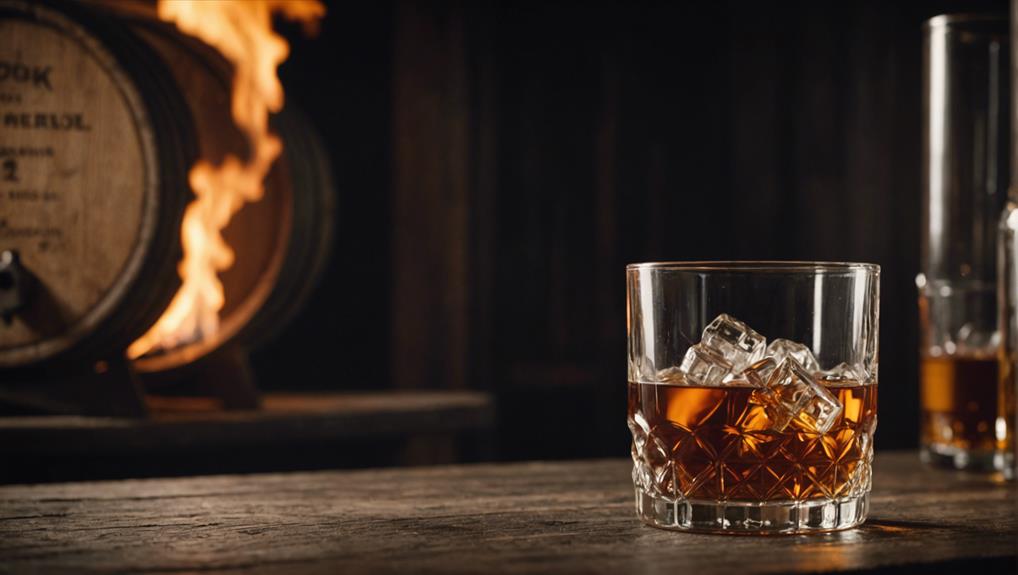
New barrels play a crucial role in bourbon production. Scientific evidence underscores the significance of oak compounds in enhancing whiskey flavor and maturation. Oak barrels contain various chemical elements like tannins, lactones, and vanillin that interact with the spirit, adding unique flavors and colors.
The freshness of new barrels allows for optimal flavor extraction, ensuring consistency in taste, which is vital for well-known bourbon brands. This scientific understanding emphasizes the preference for new barrels, as they create ideal conditions for whiskey maturation by gradually releasing compounds that shape bourbon's distinct taste profile.
Thus, the tradition and necessity of using new barrels in bourbon production are firmly supported by scientific reasoning.
Conclusion
Exploring the intricate connection between new bourbon barrels and the quality of the final product reveals a blend of historical tradition, chemical reactions, legal requirements, quality control measures, and scientific insights.
The significance of fresh barrels in bourbon aging goes beyond convention to fundamentally shape the flavor profiles and industry standards of this esteemed spirit.
Bourbon's enduring appeal stems from its rich heritage, flavor consistency, and the scientific reasoning behind the preference for pristine barrels.